Introduction
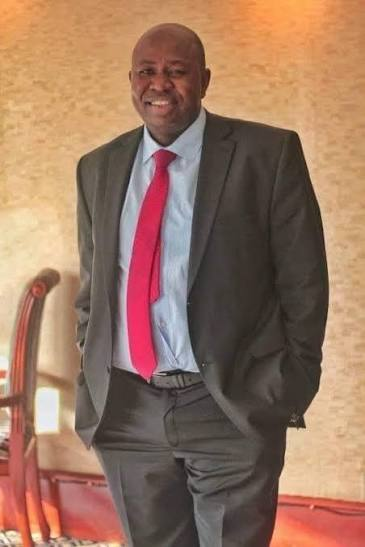
The Charles Owino biography tells the story of one of Kenya’s most recognizable public officials, whose career has spanned policing, government communication, and national security. Over the years, Charles Owino became a familiar face to millions of Kenyans through his role as the spokesperson of the National Police Service, where he regularly addressed the nation on matters of crime, security, and public safety. His calm delivery, confidence before the media, and willingness to explain complex security issues made him one of the country’s best-known government communicators.
At the same time, his career has attracted both praise and criticism. Supporters describe him as an experienced security expert who understands the challenges facing law enforcement. Critics, however, have questioned some of his public statements during periods of political unrest and police operations. Consequently, the Charles Owino biography is not only about professional achievements but also about leadership under pressure, public accountability, and the difficult balance between security communication and public expectations.
His influence continued to grow even after leaving the position of Police Spokesperson. In July 2026, President William Ruto appointed Charles Owino as Government Spokesperson, marking another major milestone in his public service career after serving as Acting Head of Government Communications in the Ministry of Information, Communications and the Digital Economy.
This first part of the Charles Owino biography explores his background, education, early career, and rise through Kenya’s police service while laying the foundation for the leadership roles that later defined his national profile.
Quick Facts
| Fact | Details |
|---|---|
| Full Name | Charles Owino Wahong’o |
| Nationality | Kenyan |
| Profession | Police Officer, Government Communicator |
| Known For | Former National Police Service Spokesperson |
| Current Position | Government Spokesperson (appointed 2026) |
| Previous Role | Acting Head of Government Communications |
| Former Position | National Police Service Spokesperson |
| Education | Studied Criminology and Security-related fields (publicly reported) |
| Political Interest | Former ODM gubernatorial aspirant for Siaya |
| Residence | Kenya |
Early Life
Childhood and Family Background
The Charles Owino biography begins in western Kenya, where he spent his formative years before pursuing a career in public service. Although Charles Owino has shared relatively little about his childhood in public interviews, his professional journey reflects values commonly associated with discipline, resilience, and commitment to national service. Unlike many public figures who frequently discuss their early years, he has generally chosen to keep his private family background away from the media spotlight.
Growing up during a period when Kenya’s institutions were evolving rapidly, Charles Owino witnessed significant social and political changes. Those experiences likely shaped his understanding of governance, public order, and community leadership. As a result, he developed an interest in security matters that eventually guided his career decisions. Although verified public records provide limited details about his parents and siblings, his later accomplishments demonstrate the importance he placed on education, professional development, and disciplined service.
Another noteworthy aspect of the Charles Owino biography is his ability to communicate effectively with people from different backgrounds. This skill did not emerge overnight. Instead, it appears to have developed gradually through years of interacting with communities, colleagues, and government institutions. His confidence before television cameras and large audiences later became one of his defining professional characteristics.
Even before becoming nationally recognized, Charles Owino displayed qualities that would later distinguish him as a government spokesperson. Patience, analytical thinking, and composure under pressure became recurring themes throughout his career. These characteristics formed the foundation upon which he built decades of service within Kenya’s security sector.
Age
Unlike many senior public officials, Charles Owino has not publicly disclosed his exact date of birth, and there is no authoritative public record confirming his age. Consequently, reputable biographies avoid assigning a specific birth year without official verification. Several online sources acknowledge that his year of birth remains undisclosed.
Although his exact age remains private, the Charles Owino biography reflects decades of experience within Kenya’s police service and government communications. His long career includes leadership positions that require extensive professional knowledge, suggesting many years of dedicated public service before assuming national spokesperson roles.
His decision to keep personal information private contrasts with his highly visible professional life. While he regularly addressed journalists and appeared before national audiences, he consistently maintained clear boundaries between his official responsibilities and personal affairs. This approach has contributed to the limited amount of verified biographical information available regarding his age and early family life.
Rather than focusing on numerical age, many observers evaluate Charles Owino based on his extensive experience. His leadership in policing, security communication, and government information management has established him as one of Kenya’s most experienced public communicators regardless of the exact year of his birth.
Education
Academic Background
Education occupies an important place in the Charles Owino biography because it prepared him for leadership within one of Kenya’s most demanding professions. Public reports indicate that he pursued studies related to criminology, security management, and public administration, disciplines closely connected to policing and national security. These academic foundations complemented his practical experience in law enforcement and later enhanced his effectiveness as a government communicator.
Professional policing requires far more than enforcing laws. Officers must understand criminal investigations, public administration, conflict resolution, communication, and leadership. Charles Owino’s educational background equipped him with many of these competencies while supporting his advancement through the ranks of the National Police Service.
Beyond formal education, his career reflects continuous professional development through specialized police training and operational experience. Working in senior security positions requires ongoing learning because crime patterns, communication technologies, and security threats constantly evolve. Consequently, Charles Owino continued expanding his expertise throughout his public service career.
The Charles Owino biography therefore illustrates that education extends beyond classroom instruction. Practical experience, leadership development, and lifelong learning combined to prepare him for increasingly complex responsibilities within Kenya’s security and communication institutions.
Professional Training
Charles Owino’s professional development included extensive police training designed to prepare officers for operational leadership and public communication. Over time, he gained experience in investigations, intelligence coordination, public relations, and crisis communication. These skills became particularly valuable when he assumed responsibility for explaining sensitive security matters to the public.
Training also strengthened his ability to communicate under pressure. National emergencies, criminal investigations, terrorist incidents, and political demonstrations often required immediate and accurate public statements. Through years of practical experience, Charles Owino developed the confidence necessary to address journalists during some of Kenya’s most challenging security situations.
His professional education also emphasized teamwork and institutional leadership. Rather than operating independently, he worked alongside investigators, intelligence officers, government officials, and communication specialists. This collaborative approach became increasingly important as his responsibilities expanded beyond operational policing into national government communication.
Accordingly, the Charles Owino biography demonstrates that successful leadership within public institutions depends upon combining formal education with continuous professional development throughout one’s career.
Career Beginnings
Joining the National Police Service
The Charles Owino biography entered a significant new chapter when he joined Kenya’s National Police Service. Choosing a policing career required commitment to public service, discipline, and personal sacrifice. Like many officers, he began with operational responsibilities that exposed him to the realities of crime prevention, investigations, and community policing before eventually advancing into leadership positions.
His early years in the police service allowed him to understand security challenges at the grassroots level. Rather than developing policies from behind an office desk, he gained firsthand experience interacting with communities, responding to criminal incidents, and working alongside fellow officers. These practical experiences later strengthened his credibility when communicating police operations to the nation.
As Charles Owino progressed through the ranks, supervisors increasingly recognized both his leadership ability and communication skills. While technical policing remained essential, his talent for explaining complicated issues clearly distinguished him from many colleagues. This ability would eventually become one of the defining characteristics of his public career.
The Charles Owino biography therefore reflects a steady progression rather than sudden promotion. Years of operational service, practical learning, and professional discipline created the foundation upon which his later national leadership roles were built.
Rise Within the Police Service
Charles Owino’s advancement within the National Police Service reflected both experience and consistent performance. Over time, he assumed increasingly senior responsibilities involving public communication, strategic messaging, and institutional representation. Eventually, he became the National Police Service Spokesperson, a position that placed him at the center of Kenya’s security communication.
As Police Spokesperson, Charles Owino became responsible for informing citizens about criminal investigations, security operations, policy changes, and emergency situations. Television interviews, press conferences, and media briefings became regular aspects of his professional life. Consequently, he evolved into one of Kenya’s most recognized police officers.
His communication style combined confidence with detailed explanations, helping many citizens better understand complex security matters. However, the position also required addressing controversial incidents involving police conduct, demonstrations, and national security concerns. Those responsibilities demanded careful judgment because every public statement could influence public confidence in law enforcement.
The Charles Owino biography illustrates that effective communication can become as important as operational leadership within modern policing. His rise from police officer to national spokesperson marked the beginning of a career that would later extend beyond law enforcement into broader government communication.
Career
Serving as National Police Service Spokesperson
The Charles Owino biography reached national prominence when he was appointed as the spokesperson for Kenya’s National Police Service (NPS). In this position, he became the public face of the police, communicating official statements on criminal investigations, national security operations, road safety campaigns, and emergency incidents. Every major security event attracted intense media attention, and Charles Owino frequently appeared on television, radio, and digital news platforms to provide updates on behalf of the police service. As a result, his name became familiar to millions of Kenyans who relied on official information during periods of uncertainty.
The role demanded more than simply reading prepared statements. Charles Owino had to explain complex security matters in language that ordinary citizens could understand while ensuring that ongoing investigations remained protected. At the same time, he regularly answered difficult questions from journalists regarding police operations, crime trends, and public safety. His ability to remain composed during press briefings strengthened his reputation as an experienced government communicator. Although some interviews involved highly sensitive issues, he consistently emphasized the importance of law enforcement, public cooperation, and national security.
During his tenure, Kenya faced numerous security challenges, including terrorism threats, organized crime, election-related tensions, and increasing concerns about cybercrime. Consequently, Charles Owino became one of the government’s principal voices during national emergencies. He encouraged citizens to share information with security agencies, remain vigilant, and avoid spreading misinformation. These communication efforts aimed to build public confidence while supporting police investigations and emergency responses.
The Charles Owino biography demonstrates that serving as Police Spokesperson required balancing transparency with operational confidentiality. While the public demanded immediate answers, investigators often needed time to gather evidence before releasing complete information. Navigating this delicate balance became one of the defining features of his career and helped establish him as one of Kenya’s most recognizable security communicators.
Transition to Government Communications
After years of representing the National Police Service, Charles Owino gradually expanded his role within Kenya’s broader government communication framework. His extensive media experience made him well suited for positions requiring strategic public engagement and coordinated messaging across government institutions. As a result, he later served as the Acting Head of Government Communications within the Ministry of Information, Communications and the Digital Economy.
This transition reflected the government’s confidence in his communication abilities beyond policing. Instead of focusing solely on security matters, his responsibilities broadened to include communicating government policies, national initiatives, and public information campaigns. The move also illustrated how effective public communication had become an increasingly valuable leadership skill within government institutions.
A significant milestone in the Charles Owino biography occurred in July 2026, when President William Ruto officially appointed him as the Government Spokesperson. This appointment placed him at the center of government communication, making him responsible for explaining national policies, responding to public concerns, and coordinating official messaging across ministries. The position represented one of the highest-profile communication roles within Kenya’s public service and highlighted his decades of experience in managing complex public information.
By successfully transitioning from police communication to broader government leadership, Charles Owino demonstrated adaptability and professional growth. His career illustrates that strong communication skills, combined with institutional knowledge and public service experience, can open opportunities beyond one’s original profession.
Achievements
The Charles Owino biography includes numerous achievements that reflect decades of service within Kenya’s security and communication sectors. Perhaps his most visible accomplishment was becoming one of the country’s longest-serving and most recognizable police spokespersons. Throughout his tenure, he communicated official information during major national events, helping citizens understand security developments and government responses. His consistency and confidence before the media contributed significantly to public awareness of policing issues.
Another important achievement involved strengthening communication between the National Police Service and the public. Effective policing depends partly on public trust, and Charles Owino frequently encouraged citizens to cooperate with investigators by reporting crimes and sharing useful information. Through regular media briefings, interviews, and public awareness campaigns, he helped explain police procedures while promoting community participation in maintaining public safety.
His appointment as Government Spokesperson further demonstrated recognition of his professional capabilities. Few public officials successfully transition from operational security leadership to senior government communication. This appointment acknowledged his experience, credibility, and ability to communicate government policies to diverse audiences across the country. It also reflected confidence in his capacity to coordinate messaging on national issues affecting millions of Kenyans.
Beyond official positions, the Charles Owino biography also highlights his contribution to public discourse on security and governance. Universities, professional forums, and media organizations frequently invited him to discuss policing, leadership, and public communication. These engagements allowed him to share practical insights gained through decades of public service while mentoring younger professionals interested in security management and government communication.
Net Worth
The Charles Owino biography often generates public interest regarding his financial status. However, there is no officially verified public record confirming Charles Owino’s net worth. While numerous websites have published estimated figures, these estimates vary considerably and lack confirmation through official financial disclosures. Therefore, any precise amount should be treated as speculation rather than verified fact.
Most of Charles Owino’s career has been devoted to public service. His primary sources of income have reportedly included government salaries, employment benefits, and related public sector appointments. Unlike entrepreneurs whose wealth may be linked to publicly visible business assets, government officials generally do not publish detailed financial statements for public consumption unless required by law. Consequently, reliable information regarding his personal wealth remains limited.
Although verified financial figures are unavailable, Charles Owino’s long career reflects professional stability rather than extraordinary personal wealth. His appointments to senior leadership positions demonstrate trust and experience accumulated over many years of service. His influence has therefore been measured more by his contributions to public communication and national security than by publicly documented financial success.
The Charles Owino biography reminds readers that professional impact cannot always be measured through monetary estimates. His reputation has been built primarily on leadership, communication, and public service, making these achievements far more significant than unverified online claims regarding personal wealth.
Wife and Family
The Charles Owino biography reflects a clear distinction between public service and private life. Although Charles Owino has spent many years in the public eye, he has consistently protected his family’s privacy. As a result, verified public information regarding his wife and children remains limited. He has rarely discussed his immediate family during interviews, preferring instead to focus on official responsibilities and matters of national importance.
Maintaining privacy has become increasingly difficult for senior public officials in the age of social media. Despite this challenge, Charles Owino has largely succeeded in keeping his family away from unnecessary public attention. This approach has allowed his loved ones to live relatively private lives while he fulfilled demanding government responsibilities that frequently placed him before national audiences.
Even with limited publicly available details, it is evident that family support has likely played an important role throughout his demanding career. Senior leadership positions within policing and government communications require long working hours, constant public scrutiny, and the ability to respond quickly during national emergencies. Balancing these responsibilities with family life requires understanding, patience, and strong personal relationships.
The Charles Owino biography therefore respects the distinction between verified public information and personal privacy. Rather than relying on speculation, responsible biographical writing acknowledges that some aspects of a public figure’s life remain intentionally private. This respect for factual accuracy strengthens the credibility of the biography while recognizing Charles Owino’s long-standing commitment to separating his professional responsibilities from his personal life.
Publications
The Charles Owino biography shows that although he has not published a widely recognized autobiography or academic book, he has contributed significantly to public discourse through interviews, media appearances, opinion pieces, and speeches on policing and national security. Throughout his career, he has regularly shared his perspectives on crime prevention, law enforcement reforms, public safety, and the relationship between the police and citizens. These public engagements have made him one of Kenya’s most recognizable voices on security matters.
His interviews often focused on practical solutions to crime, emphasizing the importance of cooperation between the public and security agencies. Rather than presenting policing as the sole responsibility of law enforcement, Charles Owino consistently argued that community participation plays a crucial role in maintaining peace and security. Consequently, his remarks have frequently been cited in news reports covering security developments across Kenya.
In addition to media interviews, Charles Owino has participated in professional forums, television discussions, and public lectures where he discussed leadership, crisis communication, and institutional accountability. These appearances have helped educate the public about the challenges faced by security agencies while encouraging informed conversations about governance and national development.
The Charles Owino biography demonstrates that influence is not always measured by published books. His consistent public communication over many years has created a valuable body of knowledge that continues to shape discussions about policing, leadership, and government communication in Kenya.
Awards and Recognition
The Charles Owino biography reflects a career distinguished by professional recognition rather than numerous publicly documented awards. His appointment to senior positions within the National Police Service and later within government communications serves as strong evidence of the confidence placed in his leadership abilities. These appointments required extensive experience, credibility, and a proven ability to communicate effectively during challenging national situations.
One of his greatest achievements was becoming one of Kenya’s most recognizable government spokespersons. For many years, he represented the National Police Service during major security incidents, earning widespread public recognition for his calm and confident communication style. His ability to explain complicated security issues in accessible language strengthened his reputation as an effective public communicator.
His appointment as Government Spokesperson in 2026 marked another important milestone. The role entrusted him with representing the government’s official position on national matters, reflecting decades of experience in public communication and institutional leadership. Such appointments are themselves significant professional accomplishments because they require public trust, technical expertise, and sound judgment.
The Charles Owino biography also highlights recognition from professional circles, universities, and media organizations that have invited him to share his experiences on leadership, crisis management, and public communication. Although these forms of recognition may not always come in the form of trophies or medals, they demonstrate the respect he has earned throughout his career.
Challenges
Every long public service career includes moments of difficulty, and the Charles Owino biography is no exception. Serving in senior police leadership required Charles Owino to communicate during some of Kenya’s most sensitive and emotionally charged events. These situations often involved criminal investigations, terrorism incidents, election-related security concerns, and public demonstrations. Each briefing demanded accuracy, professionalism, and careful judgment because every public statement could influence public confidence.
Another major challenge involved balancing transparency with operational security. Citizens and journalists understandably expected immediate information, while investigators often needed additional time to gather evidence before releasing details. Consequently, Charles Owino frequently found himself navigating competing expectations. He needed to reassure the public without compromising ongoing investigations or exposing sensitive operational information.
Rapid changes in digital communication also presented new challenges. The growth of social media increased the speed at which information—and sometimes misinformation—spread across the country. Charles Owino therefore had to respond more quickly than ever before while ensuring that official statements remained accurate and responsible. This changing communication landscape required adaptability and continuous learning throughout his career.
The Charles Owino biography illustrates that effective public leadership depends not only on experience but also on resilience. Despite facing criticism and operating under intense public scrutiny, he continued performing his communication responsibilities while representing government institutions during periods of significant national attention.
Controversies
The Charles Owino biography would be incomplete without acknowledging that his public career attracted criticism alongside praise. As the spokesperson for the National Police Service, he represented the institution during periods when police actions generated intense public debate. Some of his public statements regarding demonstrations, security operations, and politically sensitive incidents received mixed reactions from civil society organizations, political leaders, and members of the public.
Critics occasionally argued that official police communication did not always fully address public concerns regarding accountability. Conversely, supporters maintained that Charles Owino’s role required him to communicate official institutional positions rather than personal opinions. This distinction is important because spokespersons speak on behalf of their organizations, particularly during active investigations or security operations.
Charles Owino also entered elective politics when he sought the Orange Democratic Movement (ODM) nomination for the Siaya gubernatorial race. Although he did not secure the nomination, his participation generated political discussion because of his previous senior role within the police service. His transition into politics highlighted the increasing movement of experienced public officials into elective leadership while also exposing him to the heightened scrutiny that accompanies political competition.
Despite these debates, there are no publicly verified criminal convictions or findings of personal misconduct against Charles Owino arising from these controversies. The discussions surrounding his career have largely focused on institutional communication, public policy, and political participation rather than proven personal wrongdoing. The Charles Owino biography therefore reflects the reality that prominent public officials often operate in environments where their decisions and statements attract close examination from multiple perspectives.
Legacy
The Charles Owino biography presents a legacy built on decades of service in law enforcement and government communication. Throughout his career, he helped shape how public institutions communicate with citizens during emergencies, criminal investigations, and national policy announcements. His work demonstrated that effective communication is an essential component of modern governance because timely and accurate information strengthens public confidence.
Another lasting aspect of his legacy is his contribution to professionalizing government communication. By consistently engaging with journalists, responding to public concerns, and explaining complex security issues, Charles Owino helped establish higher expectations for transparency and accountability within official communication. His experience also demonstrated the growing importance of skilled spokespersons in an era where information spreads almost instantly through traditional and digital media.
His career additionally serves as an example for young professionals considering public service. The Charles Owino biography illustrates that leadership develops through years of practical experience, continuous learning, and the willingness to accept responsibility during difficult moments. Whether addressing national crises or representing government policy, he consistently emphasized professionalism, discipline, and service to the country.
As Kenya’s communication landscape continues to evolve, Charles Owino’s contributions remain relevant. Future public communicators, police leaders, and government officials can draw valuable lessons from his ability to operate under pressure while maintaining a consistent public presence. His influence therefore extends beyond the offices he held and continues through the standards he helped establish.
Conclusion
The Charles Owino biography chronicles the remarkable journey of a public servant who dedicated much of his professional life to policing, security communication, and government service. From his early years in the National Police Service to his leadership as Police Spokesperson and later Government Spokesperson, he demonstrated commitment, resilience, and strong communication skills. His career reflects the demanding nature of public service, where every decision and statement carries significant national importance.
Although his journey included challenges and public criticism, Charles Owino remained a prominent figure in Kenya’s governance and security sectors. His ability to explain complex issues, represent government institutions, and engage with the media established him as one of the country’s most recognizable public communicators. At the same time, his respect for personal privacy ensured that attention remained focused primarily on his professional achievements.
The Charles Owino biography ultimately offers valuable lessons about leadership, accountability, adaptability, and service. His story reminds readers that effective communication can strengthen institutions, build public understanding, and contribute meaningfully to national development. As his career continues to influence public communication in Kenya, his legacy remains an important part of the country’s modern governance history.
Frequently Asked Questions (FAQs)
1. Who is Charles Owino?
Charles Owino Wahong’o is a Kenyan public servant, former National Police Service Spokesperson, and Government Spokesperson known for his extensive experience in security communication.
2. What is Charles Owino famous for?
He is best known for serving as the spokesperson of Kenya’s National Police Service and later as the Government Spokesperson.
3. What is Charles Owino’s educational background?
Publicly available information indicates that he pursued studies and professional training related to criminology, security management, and public administration.
4. What is Charles Owino’s net worth?
There is no officially verified public estimate of Charles Owino’s net worth. Figures published online remain speculative.
5. Is Charles Owino married?
Charles Owino has kept his family life private. Limited verified public information is available regarding his wife or immediate family.
6. Has Charles Owino been involved in politics?
Yes. He sought the Orange Democratic Movement (ODM) nomination for the Siaya gubernatorial election, although he did not secure the party ticket.
7. What is Charles Owino’s legacy?
His legacy centers on strengthening public communication within Kenya’s security and government institutions while demonstrating leadership during complex national events.