Introduction
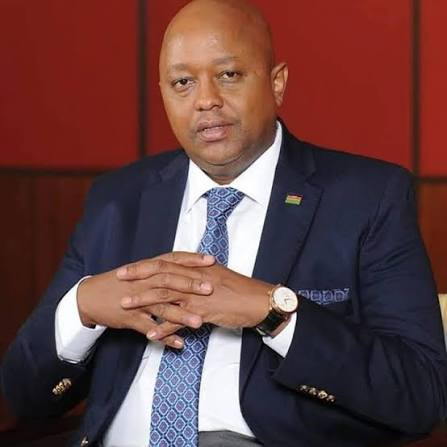
The Tony Gachoka biography presents the journey of one of Kenya’s most outspoken journalists, political commentators, and media personalities. Known for his fearless approach to investigative journalism and his direct style of political analysis, Tony Gachoka has remained a recognizable figure in Kenya’s public affairs for several decades. His career has moved through different stages, including newspaper publishing, television broadcasting, political advisory roles, and public commentary.
Unlike many media personalities who remain behind the scenes, Gachoka built a reputation around challenging powerful individuals and institutions. His approach often placed him at the centre of national conversations, especially during periods when Kenya was experiencing major political changes. As a result, his name became associated with both journalistic courage and public controversy.
The story of Tony Gachoka is also a reflection of Kenya’s changing media environment. During the 1990s and early 2000s, independent journalism became an increasingly important force in demanding accountability from leaders. Gachoka took advantage of this changing landscape by creating platforms that focused on investigative reporting and political discussions.
Throughout his career, he has experienced moments of success as well as difficult periods involving legal disputes, political disagreements, and personal challenges. However, his influence on Kenyan journalism remains significant. This detailed Tony Gachoka biography explores his early life, education, professional journey, political involvement, family background, achievements, controversies, and lasting contribution to Kenya’s media industry.
Quick Facts About Tony Gachoka
| Category | Information |
|---|---|
| Full Name | Tony Gachoka |
| Nationality | Kenyan |
| Birth Year | 1968 (commonly reported) |
| Age | Approximately late 50s as of 2026 |
| Birthplace | Thika, Kiambu County, Kenya |
| Profession | Journalist, Publisher, Political Analyst, Media Personality |
| Famous For | Founder of Sunday Post and host of Point Blank television show |
| Political Role | Former Chief of Protocol in Kenya’s Office of the Prime Minister |
| Known Political Association | Worked closely with Raila Odinga |
| Marital Status | Married |
| Main Industry | Media and Politics |
Early Life and Background
Tony Gachoka’s Family Roots
The early chapters of the Tony Gachoka biography begin in Thika, a town in Kiambu County, Kenya, where he was born and raised. His upbringing was connected to a financially stable and influential family environment. His father, Joseph Muiruri Gachoka, was known as a successful businessman, while his family was associated with agricultural and commercial activities.
Growing up in such a background gave Tony exposure to leadership, entrepreneurship, and social responsibility from a young age. He was surrounded by discussions about business, national development, and community issues. These experiences helped shape his interest in public affairs and eventually influenced his decision to pursue a career where communication and leadership were central.
His family background also meant that he understood the importance of reputation and public image. In Kenya, where family history and community relationships often play a major role in social standing, coming from a respected family brought both opportunities and expectations. Tony later carried this confidence into journalism, where he became known for speaking openly about sensitive national issues.
Although he could have followed a traditional business path because of his family connections, he developed a stronger passion for media and public debate. His curiosity about politics, governance, and social issues eventually pushed him toward journalism, a field where he could question leaders and influence public conversations.
Childhood and Early Influences
Tony Gachoka’s childhood years played an important role in shaping his personality and communication style. Growing up in Thika exposed him to a community that combined agricultural wealth, industrial development, and diverse social experiences. These surroundings allowed him to observe different aspects of Kenyan society from an early age.
People who followed his career often describe him as naturally confident and outspoken. These qualities became visible during his professional life, especially when he interviewed politicians or commented on national issues. His willingness to ask difficult questions became one of his strongest trademarks.
Additionally, his early environment encouraged independent thinking. Rather than simply accepting popular opinions, he developed a habit of examining issues critically. This mindset later became the foundation of his journalism approach.
The political atmosphere of Kenya during his youth also influenced his interests. The country was undergoing important social and political changes, and young Kenyans were becoming increasingly interested in discussions about democracy, leadership, and national identity. These conversations helped create the foundation for Gachoka’s later involvement in media and politics.
Tony Gachoka’s Education
Academic Journey in Kenya
Education played a major role in preparing Tony Gachoka for his future career. Reports about the Tony Gachoka biography indicate that he received his early education in Kenya before continuing his studies internationally.
During his school years, he developed strong communication abilities, analytical skills, and confidence in public speaking. These skills later became valuable when he entered journalism, where the ability to explain complex issues clearly was essential.
His education was not limited to classroom learning. Growing up in a family involved in business and public affairs also provided informal lessons about leadership, negotiation, and decision-making. These experiences helped him understand how organizations and institutions operate.
As he progressed academically, his interests moved beyond traditional subjects toward politics, society, and communication. This curiosity eventually influenced his professional direction.
International Exposure and Learning
Beyond his education in Kenya, Tony Gachoka gained international exposure that broadened his understanding of global affairs. Although detailed information about all his academic qualifications is not widely available publicly, his career demonstrates familiarity with international political issues and communication practices.
Exposure to different environments helped him appreciate various approaches to journalism and governance. It also contributed to the confident style he later displayed when engaging with politicians, business leaders, and public figures.
International experiences often shape journalists by allowing them to compare systems and identify differences between countries. For Gachoka, these experiences became useful when analyzing Kenya’s political environment and discussing issues affecting the nation.
His educational foundation therefore became more than a collection of academic achievements. It became a tool that supported his future work as a journalist, publisher, and political commentator.
Beginning of Tony Gachoka’s Career
Entry Into Journalism
The professional journey of the Tony Gachoka biography gained momentum when he entered journalism during a period of major change in Kenya’s media industry. The 1990s represented a turning point, as independent publications began challenging traditional sources of information and demanding greater accountability from leaders.
Rather than choosing a quiet media role, Gachoka pursued investigative journalism. He believed newspapers could serve as powerful tools for exposing problems and encouraging public debate.
His reporting style focused on controversial subjects, political affairs, and issues involving influential personalities. This approach quickly attracted attention because many readers wanted journalism that questioned authority instead of simply repeating official statements.
However, investigative journalism also brought risks. Journalists who challenge powerful figures often face criticism, legal pressure, or political opposition. Gachoka experienced these challenges throughout his career, but he continued to build his reputation as someone willing to address difficult topics.
Launching the Sunday Post Newspaper
One of the most important milestones in the Tony Gachoka biography was the creation of the Sunday Post newspaper. The publication became known for bold reporting and strong political commentary.
Unlike many newspapers that avoided direct confrontation with powerful figures, Sunday Post developed a reputation for publishing stories that generated national discussion. Its approach attracted readers who wanted deeper investigations into political and social issues.
The newspaper’s popularity also made it controversial. Some individuals criticized its reporting methods, while others praised it for promoting accountability and transparency.
Despite facing challenges, including legal disputes and financial difficulties, Sunday Post left a lasting mark on Kenya’s media history. It demonstrated the influence that independent journalism could have in shaping public conversations.
The newspaper also established Tony Gachoka as one of Kenya’s most recognizable media figures. It opened the door for his later television career and political involvement, creating the foundation for the next stages of his public life
Television Career and Public Recognition
The next major chapter in the Tony Gachoka biography came when he expanded his influence from print journalism into television broadcasting. After establishing himself as a bold newspaper publisher, Gachoka moved into television, where his personality and interviewing style reached a much wider audience. Television offered him a different platform because it allowed viewers to experience his questioning techniques, confidence, and ability to engage directly with influential personalities.
His most recognized television project was the political talk show Point Blank, which became known for direct interviews and intense discussions on national issues. The program provided a space where politicians, business leaders, and public figures were challenged to explain their positions on important matters affecting Kenya. Unlike traditional interviews that often followed carefully prepared scripts, Gachoka’s approach focused on confrontation, accountability, and spontaneous debate.
The success of Point Blank strengthened his reputation as one of Kenya’s most fearless media personalities. Viewers appreciated his willingness to ask uncomfortable questions, especially when discussing corruption, governance, elections, and leadership failures. At the same time, some critics argued that his interview style was too aggressive or openly opinionated. This balance between admiration and criticism became a recurring theme throughout his career.
Television also allowed Gachoka to connect with ordinary citizens who followed political discussions through broadcast media rather than newspapers. His ability to simplify complicated political issues helped him become a familiar figure beyond the traditional newspaper audience.
As his visibility increased, so did his influence. Politicians began paying closer attention to his commentary because his platforms could shape public discussions. His media presence eventually positioned him not only as a journalist but also as a political strategist and public opinion influencer.
Political Career and Government Role
Transition From Journalism to Politics
A significant turning point in the Tony Gachoka biography was his transition from journalism into active politics. While many journalists remain observers of political events, Gachoka moved closer to the centre of political decision-making. His understanding of media, public communication, and political messaging made him valuable to political organizations seeking strategic advice.
His transition reflected a broader trend in Kenya, where some media personalities later became political advisors, campaign strategists, or elected leaders. Having spent years analyzing political systems, Gachoka possessed knowledge of political communication and public relations.
However, moving from journalism into politics also created debate about neutrality. Some critics questioned whether journalists who enter politics can maintain the same level of independence they had while reporting. Supporters, on the other hand, argued that journalists with deep knowledge of governance can make valuable contributions to political leadership.
For Gachoka, this move represented an opportunity to influence policy discussions from inside government circles rather than simply commenting from outside.
Role as Chief of Protocol in the Office of the Prime Minister
One of the most notable positions in the Tony Gachoka biography was his appointment as Chief of Protocol in the Office of the Prime Minister during Kenya’s Grand Coalition Government period. This government arrangement followed the disputed 2007 presidential election and brought together major political rivals in an effort to restore stability.
Gachoka worked closely with Prime Minister Raila Odinga, providing support in areas involving communication, official engagements, and diplomatic coordination. His background in media made him well suited for a role that required managing public image and relationships with local and international stakeholders.
The position placed him close to major national conversations. During this period, Kenya was focused on political reforms, constitutional changes, and rebuilding trust after a difficult electoral crisis.
His experience in government expanded his understanding of leadership beyond media criticism. Instead of only analyzing decisions, he became involved in the complex processes behind policymaking and administration.
Nevertheless, his political involvement also attracted scrutiny. Some observers believed his previous role as a journalist made his political transition controversial. Others viewed it as evidence of his ability to operate effectively across different sectors.
Relationship With Raila Odinga
The relationship between Tony Gachoka and Raila Odinga represents an important part of his political journey. Their association developed during a period when Kenyan politics was undergoing significant transformation. Gachoka’s communication skills, media experience, and understanding of political narratives made him a useful figure within Odinga’s political network.
Working with a prominent opposition leader and later serving within the government structure placed Gachoka in a highly visible position. He became involved in managing communication strategies and helping present political messages to the public.
His association with Odinga also increased public interest in his personal views. Because political supporters and opponents often examine the backgrounds of influential advisers, Gachoka frequently found himself part of wider political debates.
The partnership demonstrated how media expertise can influence modern politics. In today’s political environment, communication strategy is often as important as policy itself. Leaders need individuals who understand public perception, media relations, and message delivery.
Gachoka’s experience as both a journalist and political insider gave him a unique perspective. He understood how politicians communicate privately and how those messages are interpreted publicly.
Tony Gachoka’s Leadership and Communication Style
A defining characteristic of the Tony Gachoka biography is his communication style. Throughout his career, he has been recognized for being direct, confident, and willing to address controversial subjects.
In journalism, this style helped him attract audiences because many people appreciated his willingness to challenge powerful figures. In politics, however, the same approach sometimes created disagreements because political environments often require careful negotiation and compromise.
His communication philosophy appears to be built around the idea that public figures should answer difficult questions. Whether interviewing leaders or discussing national issues, he has consistently emphasized accountability.
This approach has made him a respected figure among supporters of strong investigative journalism. At the same time, it has contributed to criticism from those who believe his style can be confrontational.
Regardless of differing opinions, his ability to generate discussion remains one of his greatest strengths. Few Kenyan media personalities have maintained such a strong public presence across newspapers, television, and politics.
Publications and Media Influence
Impact Through Journalism
The media achievements of Tony Gachoka remain central to understanding his career. Through newspaper publishing and television, he contributed to Kenya’s tradition of investigative journalism and political discussion.
His publications focused heavily on issues of national importance, including governance, leadership, corruption concerns, and social challenges. By highlighting controversial topics, his work encouraged public conversations that extended beyond traditional political circles.
The influence of his journalism came not only from the stories published but also from the questions those stories raised. Journalism often serves as a mirror for society, reflecting problems that require attention. Gachoka’s work frequently attempted to place those issues in front of the public.
His career also demonstrated the challenges faced by independent media organizations. Running an investigative publication requires financial resources, legal protection, and editorial independence. His experiences showed both the power and vulnerability of independent journalism.
Public Commentary and Political Analysis
Beyond traditional journalism, Gachoka continued contributing to public discussions through commentary and interviews. His opinions on political events often attracted attention because of his long experience within both media and government circles.
His analysis combined newsroom experience with insider knowledge from his time in political offices. This combination allowed him to discuss issues from multiple perspectives.
Many audiences followed his commentary because they viewed him as someone who understood both the public relations side of politics and the internal workings of government.
The continued interest in his views shows the lasting influence of his career. Even after decades in public life, Tony Gachoka remains a recognized voice in Kenya’s political and media landscape.
Awards and Recognition
The Tony Gachoka biography is closely connected with recognition for his contribution to journalism, media development, and public discussion in Kenya. Although he has not built his career around collecting formal awards, his influence has often been measured through the impact of his work rather than through trophies and official honours.
Throughout his media career, Gachoka earned attention for promoting investigative journalism and encouraging stronger accountability among public leaders. His newspaper work, especially through Sunday Post, represented a period when independent publications played an important role in challenging powerful institutions. His willingness to address sensitive political issues helped strengthen discussions around transparency and leadership.
In addition, his television program Point Blank became recognised as a platform where public figures faced direct questioning. The programme contributed to Kenya’s culture of political interviews and public debates, where citizens could hear leaders explain their decisions and policies.
Beyond formal recognition, one of Gachoka’s biggest achievements has been his ability to remain relevant in Kenya’s public conversation for decades. Many media personalities experience short periods of popularity, but his career has continued across different generations of audiences.
His influence comes from his combination of journalism, political communication, and public commentary. By moving between these fields, he created a unique professional identity that few Kenyan media figures have matched.
Tony Gachoka Wife and Family Life
Marriage and Personal Relationships
The personal side of the Tony Gachoka biography has attracted public interest because of his prominent career and family background. Despite living much of his life in the public eye, Gachoka has generally maintained some privacy regarding his personal relationships.
Public reports have identified his wife as Priscilla Njoka, although details about their marriage and family life remain limited. Unlike his professional activities, which have been widely discussed in newspapers and television, he has not frequently shared private family matters publicly.
His approach reflects a common pattern among public figures who prefer separating their professional responsibilities from their personal lives. While audiences may know him for his political opinions and media work, much less information is available about his day-to-day family experiences.
Family has, however, occasionally appeared in public discussions connected to business and inheritance matters. These situations attracted media attention because of his family’s long history of commercial activities and property ownership.
Despite occasional public interest, Gachoka has continued focusing primarily on his professional identity as a journalist, commentator, and political figure.
Tony Gachoka’s Family Background and Business Interests
The Tony Gachoka biography also includes a connection to business through his family heritage. Coming from a family involved in agriculture and commercial activities gave him early exposure to entrepreneurship and wealth management.
His father, Joseph Muiruri Gachoka, was associated with successful business ventures, and the family developed significant interests in agricultural enterprises. These family experiences influenced Tony’s understanding of economic issues and leadership.
Although journalism became his main public identity, his background provided him with knowledge of business operations, negotiations, and organisational management. These skills later became useful when he established media companies and managed publications.
The combination of business knowledge and communication expertise helped him operate effectively in different environments. Whether dealing with newspaper production, television programming, or political strategy, he relied on skills developed through both education and family influence.
Tony Gachoka Net Worth
Sources of Wealth
Questions about the Tony Gachoka net worth frequently appear among people searching for information about his life. However, there is no officially verified public figure for his exact wealth. Like many private individuals with business interests, his financial details are not fully disclosed.
His estimated wealth is believed to come from several sources, including journalism, media ownership, family business interests, investments, and professional advisory roles. His involvement in publishing and television contributed significantly to his public profile and financial opportunities.
The Gachoka family’s business background has also been mentioned in discussions about his financial position. However, separating inherited family assets from personal earnings is difficult because detailed financial records are not publicly available.
It is important to approach estimates of celebrity and public figure wealth carefully. Online figures are often based on speculation rather than verified financial statements.
Regardless of the exact amount, Tony Gachoka’s career demonstrates financial experience across multiple sectors. He has operated as a media entrepreneur, political professional, and public commentator, all of which have contributed to his professional success.
Challenges and Controversies
Legal Battles and Media Disputes
No complete Tony Gachoka biography would be accurate without discussing the controversies that have surrounded his career. His decision to pursue aggressive investigative journalism brought both recognition and conflict.
While publishing Sunday Post, Gachoka faced several legal challenges connected to stories and commentary published by the newspaper. Investigative journalists often operate in difficult environments because reporting on powerful individuals can lead to disputes.
One of the most widely discussed incidents involved contempt of court proceedings, which resulted in legal consequences for him. The case attracted significant public attention and became part of wider conversations about press freedom and the relationship between journalism and the justice system.
Supporters viewed such situations as evidence of the risks journalists face when challenging authority. Critics, however, argued that media organizations must balance freedom of expression with responsibility and accuracy.
These controversies became part of his public identity. Rather than reducing his influence, they often increased interest in his work and strengthened his image as a journalist willing to take risks.
Political Controversies
Gachoka’s move into politics also created debates. Some critics questioned whether his transition from journalist to political adviser affected perceptions of his previous reporting.
Political environments naturally create disagreement, especially when individuals become associated with particular leaders or parties. His relationship with Raila Odinga placed him within Kenya’s highly competitive political landscape.
However, supporters argued that his experience in media made him valuable in government communication and political strategy. They viewed his career transition as an example of how journalism skills can contribute to national leadership.
Throughout his career, controversy has often followed his willingness to express strong opinions. His outspoken personality has remained both his greatest strength and a source of criticism.
Tony Gachoka Legacy and Influence
The lasting importance of the Tony Gachoka biography lies in his influence on Kenyan media and political communication. Few individuals have successfully moved between investigative journalism, television broadcasting, and government advisory roles.
His career represents a period when Kenyan media became increasingly powerful in shaping political conversations. Through newspapers and television, he contributed to a culture where leaders were expected to answer difficult questions.
One of his strongest contributions has been encouraging public accountability. Even those who disagree with his methods often acknowledge that he helped make political discussions more open and challenging.
His story also demonstrates the complicated relationship between journalism and politics. Media professionals can influence politics, but entering political spaces can change how audiences view their independence.
Nevertheless, Gachoka’s impact remains visible. His career serves as an example of how communication skills can create influence across multiple industries.
Conclusion
The Tony Gachoka biography tells the story of a Kenyan media personality whose career has been defined by courage, controversy, and influence. From his early years in Thika to his rise as a journalist, publisher, television host, and political adviser, his journey reflects the changing nature of Kenya’s public conversation.
Through Sunday Post, he challenged traditional approaches to journalism and demonstrated the power of investigative reporting. Through Point Blank, he brought political discussions directly to television audiences and encouraged leaders to explain their decisions.
His involvement in government showed another side of his abilities, proving that communication expertise plays an important role in modern politics. At the same time, his controversies demonstrated the challenges faced by individuals who operate at the intersection of media and power.
Today, Tony Gachoka remains a memorable figure in Kenya’s media history. His supporters view him as a fearless truth-teller, while critics continue to debate his methods and political choices. Regardless of different opinions, his contribution to journalism and public discourse cannot be ignored.
Frequently Asked Questions About Tony Gachoka
1. Who is Tony Gachoka?
Tony Gachoka is a Kenyan journalist, publisher, political analyst, and media personality known for founding Sunday Post newspaper and hosting the television program Point Blank. He has also worked in government as a political adviser.
2. How old is Tony Gachoka?
Tony Gachoka was reportedly born in 1968, making him approximately in his late 50s as of 2026.
3. What is Tony Gachoka famous for?
Tony Gachoka is famous for investigative journalism, political interviews, and his outspoken commentary on Kenyan national issues.
4. What newspaper did Tony Gachoka establish?
Tony Gachoka founded Sunday Post, a Kenyan newspaper known for investigative reporting and political coverage.
5. Did Tony Gachoka work with Raila Odinga?
Yes. Tony Gachoka worked with Raila Odinga and served as Chief of Protocol in the Office of the Prime Minister during Kenya’s Grand Coalition Government period.
6. Who is Tony Gachoka’s wife?
Public reports identify Tony Gachoka’s wife as Priscilla Njoka, although he keeps many details about his family life private.
7. What is Tony Gachoka’s net worth?
Tony Gachoka’s exact net worth is not publicly confirmed. His wealth is believed to come from media work, investments, and family business interests.