Introduction
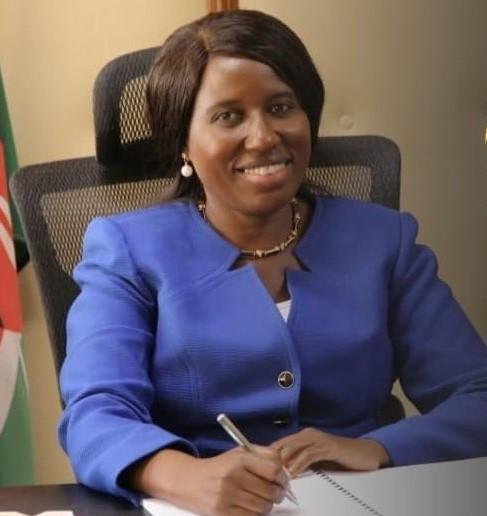
The Beatrice Muganda Inyangala biography highlights the inspiring journey of a Kenyan educationist, policy expert, and public leader who has dedicated her career to improving higher education across Africa. As the Principal Secretary of the State Department for Higher Education and Research in Kenya’s Ministry of Education, Dr. Beatrice Muganda Inyangala has become one of the prominent voices shaping conversations around university education, research development, teaching innovation, and human capital transformation. Her career reflects a deep belief that education is not only a pathway to personal advancement but also a powerful tool for national development and continental progress.
Unlike leaders whose influence comes primarily from politics or business, Dr. Inyangala built her reputation through years of academic work, research, policy engagement, and institutional leadership. Before joining government, she spent more than a decade at the Partnership for African Social and Governance Research (PASGR), a pan-African organization focused on strengthening research capacity and governance knowledge. During her time there, she contributed significantly to education reform initiatives, particularly through the internationally recognized Pedagogical Leadership in Africa (PedaL) project, which focused on improving university teaching practices across the continent.
The Beatrice Muganda Inyangala biography is therefore a story of commitment, scholarship, and public service. From her academic foundation at Kenyan universities to earning a doctorate abroad and eventually becoming a national education leader, her journey demonstrates how knowledge and leadership can combine to transform institutions. Through her work, she continues to advocate for quality education, inclusive learning environments, stronger research systems, and universities that prepare graduates for a rapidly changing global economy.
This detailed biography explores her early life, education, professional journey, achievements, leadership philosophy, personal life, challenges, and legacy while focusing on verified information available about her remarkable career.
Quick Facts About Beatrice Muganda Inyangala
| Fact | Details |
|---|---|
| Full Name | Beatrice Muganda Inyangala |
| Nationality | Kenyan |
| Profession | Educationist, Policy Expert, Public Administrator |
| Current Position | Principal Secretary, State Department for Higher Education and Research, Ministry of Education, Kenya |
| Known For | Higher education reform, research development, innovative teaching methods |
| Education | B.Ed, M.Phil in Planning and Economics of Education, PhD from University of Athens |
| Previous Organization | Partnership for African Social and Governance Research (PASGR) |
| Major Project | Pedagogical Leadership in Africa (PedaL) |
| Universities Associated With | Moi University, Masinde Muliro University of Science and Technology, Mombasa Technical Training Institute |
| Areas of Expertise | Education policy, governance, quality assurance, teaching methodology |
| Doctorate Achievement | Earned PhD from the University of Athens |
| Training | International Institute for Educational Planning, Paris, France |
| Country of Service | Kenya |
Early Life and Background
Childhood and Community Influence
The early chapters of the Beatrice Muganda Inyangala biography reveal the foundation of a leader shaped by education, curiosity, and a strong connection to community development. Dr. Inyangala is a Kenyan scholar whose professional journey reflects the importance of learning opportunities in transforming individual lives and societies. Although detailed information about her childhood and family background remains private, her later career demonstrates the influence of a strong educational foundation and a deep commitment to empowering others through knowledge.
Growing up in Kenya, she experienced an education system that faced both opportunities and challenges. These experiences helped shape her understanding of how education policies affect students, teachers, institutions, and communities. Consequently, she developed an interest in improving educational systems rather than simply participating in them. This perspective later became central to her professional work, where she focused on strengthening universities and improving teaching quality.
The Beatrice Muganda Inyangala biography shows that her leadership did not emerge suddenly. Instead, it developed gradually through years of study, teaching, research, and engagement with education stakeholders. Her career reflects the belief that effective education leaders must understand classrooms, institutions, policies, and the wider social environment surrounding learning.
Early Passion for Education
From the beginning of her professional journey, Dr. Inyangala demonstrated a strong interest in education as a driver of social and economic progress. Rather than viewing universities as isolated academic institutions, she recognized their role in developing skilled professionals, generating research, and addressing societal challenges.
This vision guided her academic choices and professional decisions. She pursued specialized training in education planning and economics, fields that examine how educational systems can become more effective, accessible, and sustainable. As a result, she developed expertise that combined classroom understanding with policy analysis.
Over time, this passion evolved into a broader mission: transforming higher education systems so that African universities can compete globally while addressing local development needs. This commitment remains one of the defining themes throughout the Beatrice Muganda Inyangala biography.
Beatrice Muganda Inyangala Age
The exact birth date of Dr. Beatrice Muganda Inyangala has not been widely published in official government profiles. Therefore, a precise age cannot be confirmed from authoritative sources. However, available profiles document her extensive academic and professional achievements, including earning her doctorate and building a career that spans university teaching, education research, nonprofit leadership, and government administration.
Her professional timeline demonstrates decades of involvement in education. She has served as a lecturer, education researcher, policy specialist, and senior government official. Consequently, her experience places her among Kenya’s established education leaders with extensive knowledge of higher education systems.
The absence of a publicly confirmed age does not reduce the significance of her achievements. Instead, the Beatrice Muganda Inyangala biography emphasizes her contributions, expertise, and leadership impact rather than focusing solely on personal statistics.
Education and Academic Journey
Undergraduate Studies
Education represents the foundation of the Beatrice Muganda Inyangala biography. Her academic journey began at Moi University in Kenya, where she pursued studies related to education, economics, and geography. Official profiles indicate that she earned a Bachelor of Education degree, developing a strong understanding of teaching, educational systems, and development planning.
Her undergraduate studies introduced her to the relationship between education and economic development. She recognized that effective education systems require more than classrooms and teachers; they require careful planning, policy support, investment, and continuous improvement.
This understanding later influenced her work in education governance. By combining academic knowledge with practical experience, she developed a broad perspective that allowed her to contribute to education reform at institutional and national levels.
Master’s Degree and Research Training
After completing her undergraduate studies, Dr. Inyangala continued advancing her expertise through postgraduate education. She earned a Master of Philosophy (M.Phil.) in Planning and Economics of Education from Moi University. This specialization strengthened her ability to analyze education systems from policy, financial, and organizational perspectives.
Her postgraduate studies prepared her for work involving education planning and institutional development. Additionally, they provided the foundation for her later research interests, particularly in improving university teaching practices and strengthening higher education systems.
PhD Achievement
A major milestone in the Beatrice Muganda Inyangala biography was earning her PhD from the University of Athens in Greece. Her doctoral studies expanded her international academic exposure and strengthened her expertise in education planning.
The achievement demonstrated her commitment to academic excellence and lifelong learning. Furthermore, international exposure allowed her to engage with global education perspectives while applying those lessons to African contexts.
Beyond her doctorate, she also received additional training at the International Institute for Educational Planning in Paris, France, further strengthening her expertise in education systems and policy development.
Beginning of Her Professional Career
Teaching and Academic Roles
The professional journey described in the Beatrice Muganda Inyangala biography began within academic institutions. Before becoming a national education leader, she worked in teaching and academic roles at institutions including Moi University, Masinde Muliro University of Science and Technology, and Mombasa Technical Training Institute.
These experiences provided valuable insight into the daily realities of higher education. By working directly with students and academic communities, she developed a practical understanding of the challenges facing universities, lecturers, and learners.
Moreover, her teaching experience shaped her later leadership approach. She consistently emphasized improving teaching methods, strengthening academic quality, and ensuring that graduates develop relevant skills for society and the workplace.
Entry into Education Policy
After gaining academic experience, Dr. Inyangala expanded her career into education policy and research administration. She served as a planning officer at the Commission for University Education, where she contributed to higher education planning and policy discussions.
This transition marked an important stage in the Beatrice Muganda Inyangala biography because it moved her from influencing individual learners to shaping broader educational systems. Through policy work, she gained experience in regulation, quality assurance, and institutional development.
Her combination of classroom experience, academic research, and policy knowledge eventually positioned her for larger leadership responsibilities within African higher education.
Rise as a Higher Education Expert
The next chapter of the Beatrice Muganda Inyangala biography focuses on her transition from an academic professional into a respected higher education expert and continental education leader. After building experience through teaching, research, and policy roles, Dr. Inyangala expanded her influence by working on initiatives designed to improve university systems across Africa. Her career increasingly moved beyond individual institutions toward broader questions about quality, innovation, governance, and the future of higher learning.
As Africa’s universities continued to grow, education leaders faced complex challenges. Institutions needed to increase access while maintaining academic standards, improve research capacity, strengthen partnerships, and prepare graduates for changing economies. Dr. Inyangala recognized that solving these challenges required collaboration between governments, universities, researchers, and international organizations. Consequently, she became involved in programs that promoted evidence-based approaches to improving higher education.
Her expertise placed her among a growing group of African education specialists working to redefine universities as engines of innovation and development. Rather than focusing only on enrollment numbers, she emphasized the importance of quality teaching, institutional leadership, and research that addresses real social challenges. This approach became a central theme throughout the Beatrice Muganda Inyangala biography and influenced her later work as a senior government official.
Partnership for African Social and Governance Research (PASGR)
A major milestone in the Beatrice Muganda Inyangala biography was her extensive contribution to the Partnership for African Social and Governance Research (PASGR). PASGR is a pan-African nonprofit organization that supports advanced research, capacity building, and knowledge production across African institutions. During her time with the organization, Dr. Inyangala played an important role in developing programs aimed at strengthening higher education and research capacity.
Her work at PASGR allowed her to engage with universities, academics, policymakers, and development partners from across Africa. Through these collaborations, she gained a deeper understanding of the shared challenges affecting higher education systems on the continent. Issues such as limited research funding, gaps in academic training, curriculum relevance, and institutional sustainability became areas where she contributed expertise and strategic thinking.
Furthermore, her experience at PASGR strengthened her reputation as an education reform advocate. She became known for promoting practical solutions that connected research, teaching, and societal development. Rather than viewing universities as places that only transmit existing knowledge, she supported the idea that higher education institutions should actively create solutions for Africa’s challenges.
The experience also expanded her leadership abilities. Managing regional education initiatives required collaboration across different cultures, institutions, and policy environments. As a result, she developed the diplomatic and organizational skills necessary for leading complex education transformation programs.
Pedagogical Leadership in Africa (PedaL) Project
One of the most recognized contributions in the Beatrice Muganda Inyangala biography is her involvement in the Pedagogical Leadership in Africa (PedaL) project. The initiative focused on improving university teaching practices by strengthening the skills and leadership capacity of academics across Africa.
Traditionally, many university systems have emphasized research achievements when evaluating academics. However, Dr. Inyangala and other education experts recognized that excellent teaching is equally important. Universities cannot achieve meaningful transformation if lecturers have limited support to develop innovative and student-centered teaching approaches.
Through PedaL, she contributed to efforts aimed at changing how universities think about academic leadership. The project encouraged lecturers and institutional leaders to adopt teaching methods that promote critical thinking, problem-solving, collaboration, and practical skills development. These approaches aligned with the broader goal of preparing African graduates to contribute effectively to society and the global economy.
The significance of this work strengthened the reputation reflected in the Beatrice Muganda Inyangala biography. Her contribution demonstrated that education reform is not only about building infrastructure or increasing enrollment. Instead, sustainable transformation requires investment in educators, teaching methods, academic culture, and institutional leadership.
Appointment as Principal Secretary
A defining moment in the Beatrice Muganda Inyangala biography came when she was appointed Principal Secretary for the State Department for Higher Education and Research in Kenya’s Ministry of Education. This position placed her at the center of national efforts to strengthen universities, expand research opportunities, and improve higher education governance.
As Principal Secretary, Dr. Inyangala became responsible for supporting the implementation of government policies affecting universities, research institutions, and higher learning programs. Her responsibilities included coordinating with universities, government agencies, academic stakeholders, and development partners to advance Kenya’s education agenda.
The appointment reflected recognition of her extensive experience in education systems, research, and institutional leadership. Unlike leaders who enter public service without sector-specific backgrounds, Dr. Inyangala brought decades of direct involvement in education. Her academic career, policy experience, and international engagement provided a strong foundation for managing the complex demands of higher education administration.
Her leadership role also came during a period when Kenya’s higher education sector faced significant challenges. Universities across the country were adapting to changing funding models, increasing demand for access, digital transformation, and the need to align academic programs with national development priorities. Consequently, her expertise became particularly valuable as the government sought innovative approaches to strengthening the sector.
Leadership Vision
The Beatrice Muganda Inyangala biography reveals a leadership philosophy centered on quality, inclusion, innovation, and global competitiveness. Throughout her career, she has consistently emphasized that education should create opportunities while also addressing the economic and social needs of communities.
One of her major priorities has been improving the quality of higher education. For Dr. Inyangala, universities must do more than award degrees; they must produce graduates who can solve problems, create businesses, conduct meaningful research, and contribute positively to society. Therefore, she advocates for stronger connections between academic institutions and real-world development challenges.
Additionally, she supports strengthening research systems. African universities often face difficulties related to research financing, infrastructure, and international collaboration. However, she believes that research capacity is essential for addressing challenges in areas such as technology, health, agriculture, climate change, and governance.
Another important element of her leadership approach involves partnerships. She understands that education transformation cannot happen through government action alone. Instead, it requires cooperation between universities, private organizations, international partners, researchers, and communities. This collaborative mindset has remained consistent throughout the Beatrice Muganda Inyangala biography.
Career Achievements
The professional achievements highlighted in the Beatrice Muganda Inyangala biography reflect decades of contribution to education development in Kenya and Africa. Her accomplishments span academic teaching, policy development, research leadership, institutional strengthening, and government administration.
One of her notable achievements has been bridging the gap between academic research and practical education policy. Many education experts work primarily within universities or research institutions, while others focus exclusively on government administration. Dr. Inyangala’s career combines both areas, allowing her to understand education challenges from multiple perspectives.
Her contribution to improving university teaching practices through PedaL represents another significant achievement. By emphasizing the importance of pedagogy and academic leadership, she helped promote conversations about how universities can improve learning outcomes.
Furthermore, her appointment as Principal Secretary represents recognition of her expertise and leadership capacity. The position requires managing complex relationships among government officials, university leaders, researchers, and students. Successfully navigating these responsibilities requires strategic thinking, communication skills, and a deep understanding of education systems.
The Beatrice Muganda Inyangala biography therefore reflects the journey of a professional who has consistently worked toward strengthening institutions rather than seeking individual recognition. Her impact comes from the systems she has helped improve and the people she has influenced throughout her career.
Awards and Recognition
Although Dr. Beatrice Muganda Inyangala is primarily recognized through professional appointments and leadership roles rather than celebrity-style awards, her career has attracted considerable recognition within education circles. Her selection for senior positions reflects confidence in her expertise, integrity, and ability to lead complex educational initiatives.
Her international engagements have also demonstrated recognition beyond Kenya. Through her work with PASGR and other education networks, she has participated in conversations about improving African higher education systems. These opportunities reflect the respect she has earned among scholars, policymakers, and education development organizations.
Additionally, her academic achievements represent an important form of recognition. Completing advanced education, including a doctorate from the University of Athens, demonstrates her commitment to scholarship and professional growth.
The Beatrice Muganda Inyangala biography shows that recognition does not always come through public awards. In many professional fields, the trust placed in a leader through significant appointments represents one of the highest forms of acknowledgment.
Publications and Research Contributions
The Beatrice Muganda Inyangala biography also includes important contributions to education research and policy discussions. While she is not primarily known as a commercial author, her professional work has involved research, policy analysis, academic presentations, and contributions to conversations about higher education reform.
Her areas of interest include education planning, university governance, teaching quality, research capacity, and institutional development. Through her roles at PASGR and within government, she has contributed to knowledge-sharing initiatives designed to improve education systems.
Her involvement in research-focused programs demonstrates her belief that policy decisions should rely on evidence rather than assumptions. By connecting research findings with practical solutions, she has supported approaches that make education systems more responsive and effective.
Consequently, the Beatrice Muganda Inyangala biography represents not only administrative leadership but also intellectual contribution. Her work continues to influence discussions about the future direction of higher education in Kenya and Africa.
Beatrice Muganda Inyangala Net Worth
One of the most searched topics in any public figure’s biography is financial status, and the Beatrice Muganda Inyangala biography is no exception. However, unlike business executives or entertainers who often disclose financial information through public platforms, Dr. Inyangala has not publicly revealed her personal net worth. No official government record or reliable publication provides a verified estimate of her wealth. Therefore, any specific figures circulating online should be treated carefully because they lack confirmed evidence.
What can be established is that Dr. Inyangala has built a successful professional career spanning academia, research leadership, and government service. Her roles as a university lecturer, senior education specialist, PASGR leader, and Principal Secretary represent positions that carry significant professional responsibility and recognition. Like many senior public officials and academics, her professional achievements reflect expertise, experience, and public contribution rather than publicly advertised personal wealth.
The Beatrice Muganda Inyangala biography is therefore better understood through the value of her intellectual and institutional contributions. Her influence comes from strengthening education systems, supporting research development, and helping shape policies that affect thousands of students, educators, and institutions. While her personal financial details remain private, her professional impact provides a clearer measure of her success.
Beatrice Muganda Inyangala Husband and Family
The personal life section of the Beatrice Muganda Inyangala biography requires careful consideration because Dr. Inyangala has maintained a professional public profile rather than sharing extensive private details. Information about her husband, children, and wider family relationships has not been widely published through official sources.
This privacy is common among many senior academics and government officials who prefer to separate their personal lives from their public responsibilities. Throughout her career, Dr. Inyangala has focused public attention on education reform, research, and institutional leadership rather than family matters.
Although details about her immediate family remain limited, her professional journey reflects values often associated with strong personal foundations: dedication, discipline, service, and commitment to improving society. Her ability to balance demanding academic and government responsibilities suggests strong personal resilience and organizational ability.
The Beatrice Muganda Inyangala biography therefore emphasizes her public contributions while respecting the boundaries around information that she has chosen not to disclose. A complete biography should celebrate professional achievements without making unsupported claims about private matters.
Challenges and Public Service Responsibilities
The Beatrice Muganda Inyangala biography also highlights the challenges involved in leading higher education transformation in Kenya. Managing a national education portfolio is a complex responsibility because universities operate within a rapidly changing environment influenced by technology, economic pressures, employment trends, and global competition.
One major challenge facing higher education systems is balancing increased access with maintaining quality. As more students seek university education, institutions must expand opportunities while ensuring that academic standards remain strong. This requires careful planning, adequate resources, effective governance, and continuous innovation.
Additionally, research development remains a significant challenge across many African countries. Universities need stronger research infrastructure, better funding mechanisms, and greater international collaboration to compete globally. As Principal Secretary, Dr. Inyangala has been involved in efforts aimed at strengthening research systems and improving the contribution of higher education to national development.
Another challenge involves preparing graduates for changing labour markets. Traditional degree programs must increasingly incorporate practical skills, digital knowledge, entrepreneurship, and problem-solving abilities. Consequently, education leaders must encourage universities to continuously review curricula and teaching methods.
The Beatrice Muganda Inyangala biography demonstrates that leadership in education requires more than administrative ability. It requires vision, adaptability, and the willingness to address complex challenges that affect generations of learners.
Controversies
A balanced Beatrice Muganda Inyangala biography should examine whether controversies have influenced her public career. Based on available public information, there are no widely documented personal scandals, corruption findings, or major professional controversies associated with Dr. Inyangala.
Like many senior government officials, she works in an environment where education policies and institutional decisions may attract public discussion and differing opinions. Higher education reforms often involve difficult choices related to funding, admissions, university management, academic standards, and student welfare. As a result, public debate is a natural part of education leadership.
However, policy discussions should not automatically be interpreted as personal controversies. Dr. Inyangala’s public record primarily focuses on education leadership, research advancement, and institutional improvement. Responsible reporting therefore distinguishes between professional responsibilities that may involve public debate and verified allegations of wrongdoing.
The Beatrice Muganda Inyangala biography remains largely defined by academic achievement, policy leadership, and service to Kenya’s education sector rather than controversy.
Legacy
The lasting legacy described in the Beatrice Muganda Inyangala biography is closely connected to her commitment to transforming higher education in Kenya and Africa. Her career demonstrates how educators can influence society beyond classrooms by shaping policies, strengthening institutions, and creating opportunities for future generations.
One of her most significant contributions is her advocacy for stronger teaching and learning systems. Through initiatives such as the Pedagogical Leadership in Africa project, she helped promote the idea that universities must invest in academic excellence and innovative teaching approaches. This perspective continues to influence conversations about improving student experiences across African higher education institutions.
Furthermore, her work highlights the importance of African-led solutions to African education challenges. Rather than relying solely on external models, she has supported approaches that recognize local realities while engaging with global knowledge networks. This balance between local relevance and international competitiveness remains essential for the future of African universities.
Her appointment as Principal Secretary represents another important part of her legacy. By bringing academic expertise into government leadership, she demonstrates how scholars can contribute directly to national development. Her career encourages future education professionals to combine research, leadership, and public service.
Ultimately, the Beatrice Muganda Inyangala biography represents the journey of a woman who has dedicated her professional life to expanding educational opportunities and strengthening knowledge systems. Her influence will continue through the institutions, policies, educators, and students connected to her work.
Conclusion
The Beatrice Muganda Inyangala biography presents the story of an accomplished Kenyan education leader whose career reflects scholarship, service, and commitment to transformation. From her early academic journey to her leadership role as Principal Secretary for Higher Education and Research, she has consistently worked toward improving the quality, accessibility, and impact of education.
Her path demonstrates the power of combining academic knowledge with practical leadership. Through teaching, research, policy development, and government administration, she has contributed to discussions about the future of universities in Kenya and across Africa. Moreover, her work with organizations such as PASGR and her involvement in education innovation initiatives show her dedication to building stronger learning systems.
Although details about her private life and personal finances remain undisclosed, her professional achievements provide a clear picture of her impact. She has become recognized as an advocate for quality education, stronger research capacity, and effective institutional leadership.
The story of Dr. Beatrice Muganda Inyangala is ultimately a story of purpose. Her career shows that education leaders can influence society not only through classrooms but also through policies, partnerships, and visionary leadership. As Kenya continues to develop its higher education sector, her contributions remain an important part of the conversation about building a knowledge-driven future.
Frequently Asked Questions (FAQs)
1. Who is Beatrice Muganda Inyangala?
Beatrice Muganda Inyangala is a Kenyan educationist, researcher, and public administrator serving as the Principal Secretary for the State Department for Higher Education and Research in Kenya’s Ministry of Education.
2. What is Beatrice Muganda Inyangala known for?
She is known for her work in higher education reform, research development, university governance, and improving teaching practices across African institutions.
3. What qualifications does Beatrice Muganda Inyangala have?
She holds a Bachelor of Education degree, a Master of Philosophy in Planning and Economics of Education from Moi University, and a PhD from the University of Athens. She also received specialized training from the International Institute for Educational Planning in Paris.
4. Where did Beatrice Muganda Inyangala work before becoming Principal Secretary?
Before joining government, she worked with the Partnership for African Social and Governance Research (PASGR), where she contributed to higher education research and capacity-building initiatives.
5. What is Beatrice Muganda Inyangala’s net worth?
Her exact net worth has not been publicly disclosed. Reliable sources do not provide a verified estimate of her personal wealth.
6. Is Beatrice Muganda Inyangala married?
Information about her husband, children, and private family life has not been widely disclosed through official public sources.
7. What is Beatrice Muganda Inyangala’s contribution to education?
Her contributions include promoting quality higher education, supporting research development, improving university teaching practices, and helping shape policies aimed at strengthening Kenya’s education sector.