Introduction
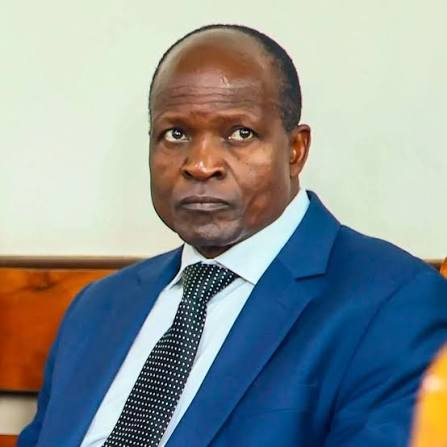
The Okoth Obado biography tells the story of a man whose journey combined ambition, political success, public service, and significant legal controversy. For years, Zachary Okoth Obado ranked among the most recognizable political leaders in Kenya’s Nyanza region. His rise from a classroom teacher to becoming the first Governor of Migori County demonstrated determination, strategic networking, and grassroots political appeal. At the same time, his career became one of Kenya’s most closely watched because of corruption investigations and the widely publicized Sharon Otieno murder case, culminating in his conviction in July 2026.
Many people searching for the Okoth Obado biography want more than headlines. They want to understand who he was before politics, how he built influence, what shaped his leadership, and why his legacy remains deeply divided. His supporters often described him as a calm and approachable leader who championed development projects in Migori County. His critics, however, pointed to persistent allegations surrounding governance, procurement, and abuse of power. As a result, his life illustrates both the opportunities and the challenges that accompany political leadership in modern Kenya.
Unlike many public figures whose stories follow a straightforward path, Obado’s life moved through several dramatic chapters. He excelled in education, entered teaching, ventured into agriculture and business, built a political network through Kenya’s sugar industry, and later became one of Kenya’s most influential county governors. His legal troubles eventually overshadowed many of those achievements, creating a complex legacy that continues to generate national debate. This professional biography follows his life chronologically, providing an objective overview of his education, political journey, family, achievements, challenges, controversies, and lasting impact based on the latest publicly available information.
| Quick Facts | Details |
|---|---|
| Full Name | Zachary Okoth Obado |
| Popular Name | Okoth Obado |
| Nationality | Kenyan |
| Profession | Politician, Former Teacher, Former Governor |
| County | Migori County, Kenya |
| Education | Bachelor’s Degree in Education, Master’s Degree in Strategic Management |
| Alma Mater | Kenyatta University |
| Political Career | First Governor of Migori County (2013–2022) |
| Marital Status | Married |
| Spouse | Hellen Odhiambo Obado |
| Children | Several, including Dan, Jerry, Susan, and Evelyn |
| Known For | Politics, Sugar Sector Leadership, Migori Governorship |
| Estimated Net Worth | Not publicly declared; assets linked to investigations were estimated between KSh400 million and KSh1 billion according to court filings. |
Early Life and Background
Understanding the Okoth Obado biography begins with his early years in Migori County, a region known for its rich cultural heritage, agricultural economy, and vibrant political landscape. Zachary Okoth Obado was born and raised in what is now Migori County in western Kenya. Growing up in a rural setting exposed him to the everyday realities faced by ordinary families, including limited infrastructure, dependence on farming, and the importance of education as a pathway to social mobility. These experiences helped shape his worldview long before he entered public office. Like many leaders from the region, he often spoke about the need to improve livelihoods through better governance, stronger public institutions, and expanded economic opportunities. His upbringing also instilled values of hard work, discipline, and resilience, qualities that supporters later credited for his steady rise through professional and political circles.
Family and community played a central role during his formative years. The Luo community, to which Obado belongs, places considerable emphasis on education, leadership, and communal responsibility. These cultural influences encouraged young people to pursue academic achievement while remaining connected to their local communities. Consequently, Obado developed strong relationships within Migori that later became valuable during his political campaigns. Although many details about his childhood remain private, available public records consistently portray him as someone who maintained close ties with his home area throughout his career. Those local connections helped him build trust among voters who viewed him as one of their own rather than an outsider seeking political influence. This foundation became an important element throughout the Okoth Obado biography, especially as he transitioned from education into public service and eventually sought elective office.
Education
Education occupies a significant place in the Okoth Obado biography because it laid the foundation for both his professional career and his leadership style. After completing his primary and secondary education in Kenya, Obado pursued higher learning at Kenyatta University, one of the country’s leading public universities. There, he earned a Bachelor of Education degree, preparing him for a career in teaching. His academic training equipped him with organizational, communication, and leadership skills that would later prove valuable in administrative and political roles. Rather than viewing education merely as a qualification, he consistently presented it as a tool for empowering communities and improving public institutions.
His commitment to learning did not end with his undergraduate studies. As his responsibilities expanded, Obado furthered his education by obtaining a Master’s Degree in Strategic Management. This additional qualification reflected his interest in governance, organizational leadership, and long-term planning. Strategic management focuses on effective decision-making, resource allocation, and institutional development, all of which became highly relevant during his years as Governor of Migori County. Although academic credentials alone do not determine leadership success, they provided him with theoretical knowledge that complemented his practical experience. Throughout much of his public life, supporters frequently cited his educational background as evidence of his administrative capability. Therefore, education remains an essential chapter in the Okoth Obado biography, illustrating how continuous learning supported his transition from the classroom to county leadership.
Early Career Before Politics
Before becoming a household name in Kenyan politics, Okoth Obado built his career through education, business, and public administration. After graduating from university, he worked as a teacher, a profession that allowed him to develop leadership abilities while interacting closely with students, parents, and local communities. Teaching strengthened his communication skills and reinforced the value of public service. It also exposed him to the educational challenges facing rural Kenya, experiences that later influenced some of his development priorities. While his time in the classroom may not have attracted national attention, it represented an important stage in the Okoth Obado biography because it established his reputation as a disciplined and capable professional.
Eventually, Obado expanded beyond teaching into management and public administration. He became involved in Kenya’s sugar industry, serving in leadership positions associated with the Sony Sugar Company, one of the country’s major state-owned sugar manufacturers. His work in the agricultural sector increased his visibility across Migori County, where sugarcane farming supports thousands of livelihoods. Managing responsibilities within the sugar industry required balancing economic, political, and community interests, giving him valuable experience that later translated into electoral politics. As his profile continued to grow, local leaders and residents increasingly viewed him as someone capable of representing their interests on a broader stage. Consequently, these professional achievements created the momentum that ultimately launched his successful political career, marking the beginning of one of the most significant chapters in the Okoth Obado biography.
Political Career
The political chapter of the Okoth Obado biography reflects one of the most remarkable transitions in Kenya’s devolved governance system. Following the promulgation of Kenya’s 2010 Constitution, the country introduced county governments, creating new opportunities for local leadership. Recognizing this shift, Obado entered elective politics and contested for the position of Governor of Migori County during the historic 2013 General Election. His campaign focused on development, improved healthcare, education, agriculture, and infrastructure. Drawing upon his experience in education, public administration, and the sugar sector, he presented himself as a practical leader who understood the county’s economic realities. His grassroots connections and organizational skills helped him secure victory, making him the first Governor of Migori County after the introduction of devolution.
During his first term, Obado concentrated on establishing county institutions from the ground up. Like many newly elected governors across Kenya, he faced the enormous task of building administrative systems while simultaneously delivering public services. His administration invested in road improvement projects, expanded health facilities, supported agricultural initiatives, and increased investment in county development programs. Although implementation challenges remained, supporters credited his government with accelerating development in previously underserved parts of Migori County. At the same time, critics questioned aspects of procurement, financial management, and project implementation, illustrating the difficult balance between rapid development and accountability. These contrasting perspectives continue to shape public discussions surrounding the Okoth Obado biography, as observers evaluate both the successes and shortcomings of his leadership.
Obado successfully sought re-election during the 2017 Kenyan General Election, demonstrating that he retained significant political support despite growing criticism from opponents. His second victory highlighted the strength of his grassroots political network and his ability to mobilize voters across different constituencies within Migori County. However, his second term unfolded under far more intense national scrutiny. Legal investigations, corruption allegations, and criminal proceedings increasingly overshadowed his development agenda. Consequently, media coverage often focused less on county projects and more on courtroom developments, making his governorship one of the most closely watched in Kenya. Even so, his years in office remain an important component of the Okoth Obado biography, representing both the promise and the complexities of devolved leadership in Kenya.
Leadership Style and Development Agenda
A closer examination of the Okoth Obado biography reveals a leadership style centered on visibility, accessibility, and infrastructure development. Throughout much of his tenure as governor, Obado frequently toured different parts of Migori County to inspect projects, meet local leaders, and engage directly with residents. This hands-on approach resonated with many constituents who appreciated seeing their governor interact with communities rather than remaining confined to administrative offices. He consistently emphasized that county governments should bring services closer to citizens, reflecting one of the central objectives of Kenya’s devolution framework. As a result, his administration prioritized projects intended to improve everyday life, including roads, health centers, water access, and educational support.
Healthcare emerged as one of the sectors receiving considerable attention during his administration. County governments in Kenya assumed responsibility for many health services after devolution, making healthcare one of the most visible measures of gubernatorial performance. Obado’s administration invested in constructing and upgrading health facilities, improving access to medical equipment, and recruiting healthcare personnel. Education also benefited through bursary programs designed to assist students from disadvantaged backgrounds. In agriculture, initiatives sought to strengthen productivity among farmers, particularly those involved in sugarcane cultivation, fishing, and livestock farming. These investments aligned with Migori County’s economic structure and aimed to stimulate local growth while reducing poverty. Supporters often point to these initiatives as evidence that development remained a central priority throughout his administration.
Despite these achievements, questions regarding governance and accountability persisted. Opposition leaders and oversight institutions regularly raised concerns about procurement procedures, financial management, and the pace of certain projects. Such criticism reflected broader national debates about transparency within county governments rather than issues unique to Migori alone. Nevertheless, the controversies affected public perceptions of Obado’s leadership, particularly as additional legal investigations emerged during his second term. Therefore, discussions surrounding the Okoth Obado biography often acknowledge both his development initiatives and the governance challenges that accompanied his administration, presenting a balanced picture of a political career marked by significant accomplishments alongside substantial public scrutiny.
Major Achievements
When evaluating the Okoth Obado biography, it is important to recognize the accomplishments that supporters attribute to his years in public office. As Migori County’s inaugural governor, he oversaw the establishment of new county administrative structures responsible for delivering devolved services. Building functional institutions from scratch required strategic planning, recruitment of personnel, development of financial systems, and coordination with the national government. Although the process involved inevitable challenges, these foundational efforts enabled county departments to begin providing essential services to residents. Establishing stable administrative systems represented a significant milestone during the early years of devolution and formed the basis for subsequent development initiatives.
Infrastructure development remained another frequently cited achievement. Under his leadership, Migori County expanded road construction and rehabilitation projects aimed at improving transportation between rural communities and urban centers. Better roads enhanced access to schools, hospitals, and markets while supporting local businesses and agricultural trade. Simultaneously, investments in healthcare infrastructure increased the availability of medical services across various parts of the county. Additional programs targeted youth empowerment, women’s economic participation, and agricultural productivity through support for farmers and small-scale entrepreneurs. While independent assessments vary regarding the long-term impact of these initiatives, many residents acknowledged visible improvements in public infrastructure during portions of his tenure.
Beyond physical development, Obado also contributed to strengthening awareness of county governance within Migori. As one of Kenya’s first-generation governors, he played a role in demonstrating how devolved governments could influence local development priorities. His administration worked with national agencies, private organizations, and community stakeholders to implement county programs despite financial and administrative constraints. Even though later legal controversies significantly affected his public reputation, these developmental contributions remain part of the historical record. Consequently, any comprehensive Okoth Obado biography must consider both the tangible achievements recorded during his governorship and the broader institutional role he played during Kenya’s evolving system of devolved government.
Age and Personal Life
An important aspect of the Okoth Obado biography concerns the man behind the public office. Although political debates often focused on his governance and legal battles, Obado consistently portrayed himself as a family-oriented individual who valued education, discipline, and community service. Born in Migori County, he spent most of his life maintaining close ties with the region that eventually entrusted him with its highest county office. As of recent public records, Obado is in his early sixties, having built a professional career spanning education, business, public administration, and politics. His life journey demonstrates how experience accumulated over several decades can shape leadership, even as public opinion evolves in response to later events.
Away from official duties, Obado generally maintained a relatively private lifestyle compared to many prominent politicians. He occasionally appeared at religious gatherings, cultural events, and community celebrations, reinforcing his image as a leader connected to local traditions. Friends and associates have often described him as calm, deliberate, and measured in his interactions, qualities that many supporters believed contributed to his political success. Nevertheless, increased media attention during his legal challenges inevitably brought many aspects of his personal life into public discussion. Even so, a large portion of his family life has remained outside the public spotlight, reflecting a deliberate effort to preserve privacy despite intense national interest.
Throughout the Okoth Obado biography, one recurring theme is resilience. Regardless of political victories or legal setbacks, he consistently appeared determined to defend his reputation and continue participating in public life whenever circumstances allowed. His supporters viewed this determination as evidence of personal strength, whereas critics interpreted it differently. Such contrasting perceptions illustrate how public figures often become symbols of broader political debates. Consequently, understanding his personal life requires recognizing that media narratives frequently focused on extraordinary events rather than the ordinary experiences that shaped him over many years.
Wife and Family
Family occupies a notable place in the Okoth Obado biography, particularly because relatives occasionally found themselves drawn into public attention during periods of political and legal scrutiny. Obado is married to Hellen Odhiambo Obado, who has largely maintained a low public profile despite her husband’s prominent political career. Throughout his years in office, she participated in selected official and charitable functions but generally avoided the intense political spotlight. This reserved approach reflected a preference for supporting community initiatives rather than engaging directly in partisan politics. Even during difficult periods marked by extensive media coverage, members of the immediate family rarely made frequent public statements, choosing instead to keep many personal matters private.
The couple has several children, including Dan, Jerry, Susan, and Evelyn, among others. Like many families of high-profile political leaders, they experienced increased public attention as Obado’s career advanced. However, they have generally stayed away from active political participation and have maintained relatively private lives. Public information regarding their professional careers and personal activities remains limited, illustrating the family’s preference for privacy despite widespread media interest. This separation between political office and family life is common among many Kenyan leaders, whose relatives often avoid unnecessary exposure while supporting public responsibilities behind the scenes.
Family support became particularly significant during the years when Obado faced prolonged legal proceedings. Court appearances, investigations, and extensive media reporting placed considerable emotional pressure on those closest to him. Nevertheless, family members frequently appeared alongside him during important legal milestones, signaling unity despite challenging circumstances. These moments underscored the personal consequences that public controversies can have on families, extending far beyond the individuals directly involved. Therefore, the Okoth Obado biography highlights not only the political dimensions of his life but also the importance of family support during periods of uncertainty and public scrutiny.
Net Worth
One of the most frequently searched topics related to the Okoth Obado biography concerns his financial standing. Unlike private business executives, Kenyan public officials are not always required to disclose comprehensive personal wealth to the public. Consequently, no officially verified figure exists for Obado’s total net worth. Various media reports and public discussions have attempted to estimate the value of his assets; however, these estimates differ considerably and should be interpreted with caution. As a result, any discussion of his wealth must distinguish between verified court records, publicly declared information, and unverified speculation.
During investigations conducted by Kenya’s anti-corruption agencies, authorities examined properties, businesses, bank accounts, and other assets believed to be connected to Obado and individuals associated with him. Court documents referenced properties and investments whose combined estimated value ranged between approximately KSh400 million and KSh1 billion, although legal proceedings focused primarily on questions regarding the source of those assets rather than establishing an official personal net worth. These investigations attracted significant national attention because they formed part of broader efforts to strengthen accountability among public officials. Importantly, allegations regarding assets should not automatically be interpreted as definitive proof of unlawful acquisition unless confirmed through final judicial determinations.
Before entering politics, Obado earned income through teaching, management positions, agriculture, and business activities. His years as Governor of Migori County also entitled him to the salary and benefits associated with the office. Therefore, his financial profile reflects multiple income sources accumulated over several decades rather than a single profession. Nevertheless, because no comprehensive public declaration of his total wealth exists, responsible biographies avoid presenting speculative figures as established fact. Accordingly, the Okoth Obado biography recognizes that his financial affairs became an important aspect of public debate while emphasizing the distinction between verified information and unconfirmed estimates.
Awards, Recognition, and Public Influence
Throughout much of his political career, the Okoth Obado biography included recognition for his contribution to county leadership and local development. As Migori County’s inaugural governor, he received acknowledgment from community organizations, educational institutions, and local development groups for supporting infrastructure expansion, healthcare improvements, and agricultural initiatives. Although he did not accumulate a large collection of internationally recognized awards, his influence within Migori County remained substantial for many years. Residents who benefited from county projects frequently credited his administration with improving roads, expanding public facilities, and bringing government services closer to rural communities.
Obado’s broader influence extended beyond Migori because he belonged to the first generation of governors responsible for implementing Kenya’s devolved system of government. County governments represented a transformative shift in public administration, granting local leaders greater authority over planning and service delivery. As one of these pioneering governors, Obado participated in national discussions concerning devolution, county financing, and regional development. His experiences—both successful and controversial—became case studies in conversations about the opportunities and risks associated with decentralized governance. Political analysts often referenced his administration when examining the evolving relationship between county governments, oversight institutions, and the national government.
Public influence, however, extends beyond awards and official recognition. Obado’s political career generated widespread discussion across Kenya regarding leadership accountability, ethics in public office, and the responsibilities carried by elected officials. His supporters emphasized visible development achievements and his accessibility to constituents, while critics focused on governance concerns and legal proceedings. These differing perspectives demonstrate how influence can arise from both accomplishments and controversies. Consequently, the Okoth Obado biography portrays a public figure whose impact on Kenyan politics remains significant, not only because of his years in office but also because his career continues to shape conversations about governance, integrity, and public service.
Publications and Public Speaking
Unlike some Kenyan political leaders who have authored books or academic publications, the Okoth Obado biography does not include any widely recognized published books under his name. Throughout his career, Obado primarily communicated with the public through official speeches, county development plans, policy statements, interviews, and press briefings rather than through published literary works. As Governor of Migori County, he frequently addressed residents during public functions, county assembly events, commissioning ceremonies, and national government meetings. These speeches typically focused on improving service delivery, strengthening agriculture, promoting healthcare, expanding educational opportunities, and encouraging investment within the county. His communication style generally emphasized practical development goals over ideological political messaging, reflecting his administrative approach to leadership.
During annual budget presentations and development conferences, Obado consistently highlighted the importance of prudent resource management and equitable distribution of county resources. He often argued that devolution offered counties an unprecedented opportunity to transform local economies if leaders remained accountable and responsive to citizens’ needs. Consequently, many of his public addresses centered on infrastructure expansion, youth empowerment, women’s economic participation, and improving public institutions. These speeches became an important part of the Okoth Obado biography because they documented his vision for Migori County during a formative period in Kenya’s devolved governance system. Even after legal challenges began dominating national headlines, archived speeches continued to provide insight into the policy priorities that shaped much of his administration.
Although Obado has not produced a memoir or scholarly publication documenting his political journey, his career has been examined extensively through newspaper features, legal documents, academic discussions about devolution, and investigative reporting. Researchers studying Kenyan county governments frequently reference his administration when analyzing leadership, governance, accountability, and public finance management. Therefore, while his direct written contributions remain limited, the public record surrounding his career forms a substantial body of material that continues to inform discussions about modern Kenyan politics. As a result, the Okoth Obado biography remains relevant not because of published books but because of the lasting public record created through years of leadership, policy decisions, and judicial proceedings.
Challenges and Legal Investigations
No comprehensive Okoth Obado biography would be complete without examining the significant legal and political challenges that increasingly defined his later years in public office. Beginning during his second term as governor, Obado faced multiple investigations involving allegations of corruption, procurement irregularities, and abuse of office. Kenya’s anti-corruption agencies launched inquiries into county expenditure, public contracts, and the acquisition of various assets connected to individuals associated with his administration. These investigations reflected broader national efforts to strengthen oversight of county governments following the implementation of devolution. Although investigations do not automatically establish guilt, they attracted widespread public attention and placed Migori County’s leadership under intense scrutiny.
The legal proceedings extended over several years and generated continuous media coverage. Court appearances, asset investigations, and hearings frequently dominated national headlines, often overshadowing county development projects and policy initiatives. Throughout this period, Obado consistently denied wrongdoing in cases where proceedings were ongoing, maintaining that he would defend himself through the judicial process. His legal team repeatedly emphasized the constitutional principle that every accused person deserves a fair hearing before any final determination of responsibility. Meanwhile, critics argued that the allegations highlighted the urgent need for greater transparency and accountability within county governments. These contrasting viewpoints became central themes in public discussions surrounding the Okoth Obado biography, illustrating how legal challenges can profoundly influence a political legacy even before final judgments are delivered.
The prolonged investigations also carried broader political consequences. Opposition leaders used the allegations to question his administration’s credibility, while supporters argued that development projects should remain the primary measure of his leadership. Consequently, public opinion became increasingly polarized. Some residents continued expressing confidence in his leadership despite ongoing court proceedings, whereas others believed that the allegations undermined public trust in county governance. Regardless of individual perspectives, these investigations significantly altered the trajectory of his political career and ensured that legal accountability would become one of the defining chapters in the Okoth Obado biography.
The Sharon Otieno Murder Case and Conviction
The most consequential chapter in the Okoth Obado biography concerns the murder of Sharon Otieno, a case that became one of Kenya’s most closely followed criminal trials. Sharon Otieno, a university student, was abducted and killed in September 2018 while she was reportedly pregnant. The case immediately attracted nationwide attention because of allegations linking the crime to senior political figures, including Governor Okoth Obado. From the outset, investigators examined evidence, witness testimony, communication records, and forensic findings over an extended period. The trial lasted several years, making it one of the country’s most significant criminal proceedings involving a sitting or former governor. Throughout much of the process, Obado denied involvement and defended himself through the courts while the prosecution sought to establish criminal responsibility beyond reasonable doubt.
The lengthy judicial process included testimony from numerous witnesses, presentation of digital evidence, and extensive legal arguments by both the prosecution and defense. Because of the case’s high public profile, each major court session received significant national media coverage. Legal experts frequently commented on procedural developments, emphasizing the importance of allowing the courts to determine the outcome based solely on admissible evidence. The trial also sparked broader public discussions about justice, gender-based violence, political influence, and the independence of Kenya’s judiciary. Consequently, the proceedings became much more than an individual criminal case; they evolved into a national conversation about accountability regardless of political status.
In July 2026, the High Court found Zachary Okoth Obado guilty of the murder of Sharon Otieno, marking a historic moment in Kenya’s legal and political history. The conviction dramatically reshaped public assessments of his career and legacy, overshadowing many of the development achievements associated with his years as governor. While sentencing and any subsequent appellate proceedings follow separate legal processes, the conviction itself represents the most defining event in the later chapters of the Okoth Obado biography. It underscored the principle that senior public officials remain subject to the rule of law and reinforced the judiciary’s role in determining criminal responsibility through due process. As a result, historians and political analysts are likely to view this case as the pivotal turning point in understanding Obado’s life, career, and lasting place in Kenya’s political history.
Legacy and Lasting Impact
The Okoth Obado biography presents one of the most complex political legacies in contemporary Kenya. Few county leaders have experienced such dramatic highs and lows within a relatively short period. On one hand, Obado helped shape Migori County during the formative years of Kenya’s devolved government. As the county’s first governor, he played a central role in establishing administrative structures, overseeing development planning, and introducing public service systems that continue to function beyond his tenure. Many roads, health facilities, educational initiatives, and agricultural programs launched during his administration remain visible reminders of his time in office. Consequently, supporters continue to argue that his contribution to local development deserves recognition despite the controversies that later surrounded his career.
On the other hand, legal investigations and his eventual murder conviction fundamentally altered public perception of his leadership. Political analysts frequently observe that the later stages of his career overshadowed many earlier achievements, making it difficult to separate governance accomplishments from criminal accountability. His story serves as a powerful reminder that public trust depends not only on delivering development projects but also on maintaining integrity, transparency, and respect for the rule of law. For students of political science and governance, the Okoth Obado biography illustrates how leadership is judged through both administrative performance and personal conduct. A successful development agenda alone cannot protect a leader’s reputation when serious legal findings emerge.
Beyond Migori County, Obado’s experience has influenced broader conversations about accountability within Kenya’s devolved system of government. Anti-corruption agencies, civil society organizations, and governance experts often reference his career when discussing the importance of institutional oversight and judicial independence. The willingness of the courts to hear a high-profile case involving a former governor demonstrated that no public official should stand above the law. Therefore, his legacy extends beyond county politics and contributes to Kenya’s continuing efforts to strengthen democratic institutions. The Okoth Obado biography ultimately represents a cautionary story about the opportunities, responsibilities, and consequences that accompany political leadership.
Interesting Facts About Okoth Obado
Several lesser-known details make the Okoth Obado biography even more fascinating. Before entering politics, he spent years working as a teacher, a profession that shaped his communication skills and understanding of community needs. His transition from education into management within Kenya’s sugar industry provided valuable administrative experience long before he sought elective office. These early professional experiences helped establish the leadership credentials that later appealed to voters during the first county elections under Kenya’s devolved system. His career demonstrates that political success often develops gradually through years of experience rather than appearing overnight.
Another interesting aspect of his life is his role as Migori County’s inaugural governor. Leading a newly established county government required creating institutions, recruiting personnel, developing administrative procedures, and implementing development priorities simultaneously. Few political leaders in Kenya faced responsibilities of such magnitude during the early years of devolution. This pioneering role placed Obado among the first generation of county governors responsible for translating constitutional reforms into practical governance. Whether viewed positively or critically, his administration became part of Kenya’s larger experiment in decentralized government.
Perhaps the most remarkable feature of the Okoth Obado biography is how dramatically public perception changed over time. During the early years of his governorship, discussions centered primarily on development projects, political strategy, and county leadership. Later, legal proceedings became the dominant focus of media coverage and public debate. This transformation illustrates how quickly a public figure’s legacy can evolve when significant judicial findings emerge. It also reinforces the broader lesson that political influence, while powerful, remains subject to constitutional institutions and judicial accountability.
Conclusion
The Okoth Obado biography captures the life of a leader whose journey reflects both remarkable achievement and profound controversy. Rising from a career in education and public administration, Zachary Okoth Obado became the first Governor of Migori County and played an important role during the early implementation of Kenya’s devolved governance system. His administration oversaw investments in infrastructure, healthcare, agriculture, and education while establishing institutions that continue serving county residents. These accomplishments earned him significant political support and secured his place in the history of Migori County.
At the same time, his career demonstrates that leadership extends beyond development projects alone. Investigations into governance, corruption allegations, and the highly publicized Sharon Otieno murder case ultimately transformed how many Kenyans remember his years in public office. His conviction in 2026 marked a defining moment that reshaped his legacy and reinforced the principle that accountability applies equally to senior public officials. As a result, historians and political observers are likely to continue debating the balance between his developmental contributions and the legal findings that concluded his political journey.
Ultimately, the Okoth Obado biography offers valuable lessons about leadership, ambition, public service, ethics, and responsibility. It reminds readers that political careers are built through years of dedication but can also be profoundly affected by decisions and actions that face judicial scrutiny. For anyone studying Kenya’s modern political history, his story remains an important example of the opportunities created by devolution, the demands of public office, and the enduring significance of accountability under the rule of law.
Frequently Asked Questions (FAQs)
1. Who is Okoth Obado?
Okoth Obado, whose full name is Zachary Okoth Obado, is a Kenyan politician, former teacher, and former Governor of Migori County. He served as the county’s first governor from 2013 to 2022.
2. What is Okoth Obado known for?
He is known for leading Migori County during the early years of Kenya’s devolved government, implementing development projects, and later becoming the subject of high-profile legal proceedings, including the Sharon Otieno murder case.
3. What is Okoth Obado’s educational background?
According to the Okoth Obado biography, he earned a Bachelor of Education from Kenyatta University and later completed a Master’s Degree in Strategic Management.
4. Is Okoth Obado married?
Yes. Okoth Obado is married to Hellen Odhiambo Obado, and they have several children.
5. What is Okoth Obado’s estimated net worth?
There is no officially verified public figure for his net worth. Court documents referenced assets valued between approximately KSh400 million and KSh1 billion, but no official declaration established his personal wealth.
6. What happened in the Sharon Otieno case?
Sharon Otieno was murdered in 2018. After a lengthy trial, the High Court convicted Okoth Obado of her murder in July 2026, a decision that significantly reshaped his public legacy.
7. Why is the Okoth Obado biography important?
The Okoth Obado biography illustrates the opportunities created by Kenya’s devolved governance system while highlighting the importance of accountability, ethical leadership, and the rule of law in public service.